Diabetic retinopathy is one of the leading causes of preventable blindness. It is the leading cause of blindness among working age Americans. Patients with diabetes are recommended to have a complete eye examination at least yearly. If your doctor finds evidence of diabetic eye disease, they will likely recommend more frequent dilated examinations.
Diabetic Retinopathy

Diabetes
The chances of developing diabetic eye disease is related to the length of time you have been a diabetic and the control of your blood sugars. With diabetic retinopathy changes to your vision may not be noticeable at first. In its advanced stages, the disease can cause blurred or cloudy vision, floaters and blind spots and, eventually possibly total blindness.
Effects of Diabetes on the Eye
Diabetic retinopathy can cause blood vessels to leak or abnormal blood vessels to grow. Macular edema occurs when fluid leaks into the central part of the retina, which can lead to blurred vision or vision loss. Diabetes affects the retinas in both eyes, although one eye may be affected more severely than the other.
More advanced stages can often be treated when properly diagnosed. Treatment may include laser procedures or medication injections into the eye, and several sessions may be needed. Because some damage can be irreversible, early diagnosis and treatment often lead to better outcomes.
Diagnosis of Diabetic Retinopathy
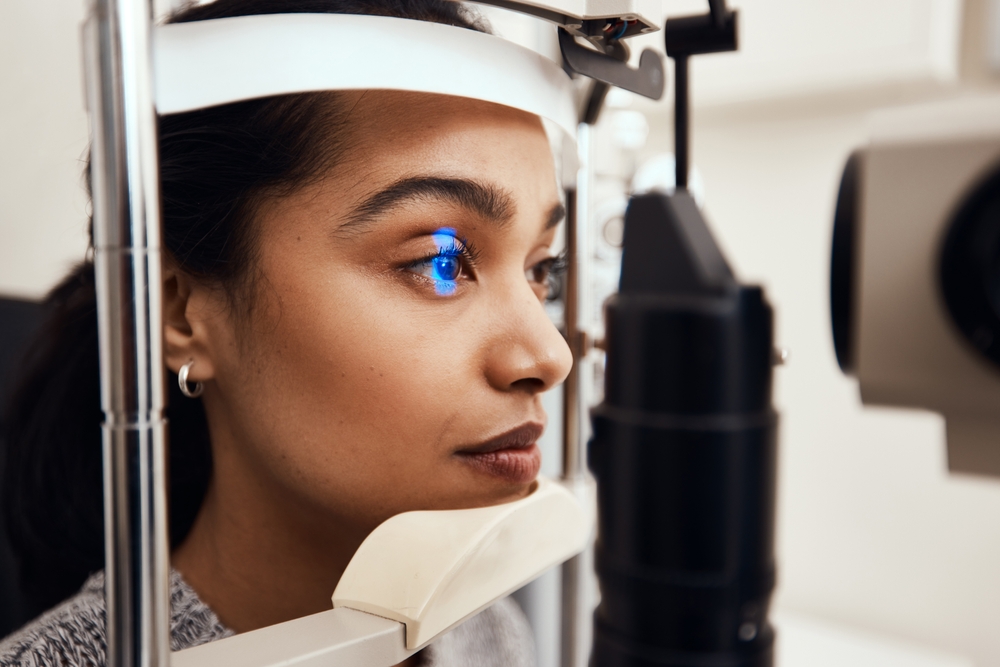
Fortunately, diabetic retinopathy is often preventable with proper control of the diabetes. Your risk is reduced if you follow your prescribed diet and medications, exercise regularly, and control your blood pressure. Regular eye exams are an integral part of making sure your eyes are healthy. Diabetic eye disease can be detected with a complete eye examination including dilation and imaging of the central vision (the macula) with an OCT. Dr. Cindy Wang and I at the Eye Surgery Institute have much expertise in the diagnosis and treatment of diabetic eye disease.
Book Appointment