The macula is a part of the retina in the back of the eye that ensures that our central vision is clear and sharp. Most of your vision comes from the macula. Age-related macular degeneration (ARMD) is a blinding eye disease that can cause gradual loss of your central vision. You may experience anything from a blurry, gray or distorted area to a blind spot in the center of vision. You may experience a gradual loss of ability to see objects clearly, difficulty reading and difficulty driving.
Age-Related Macular Degeneration

How to Diagnose Macular Degeneration
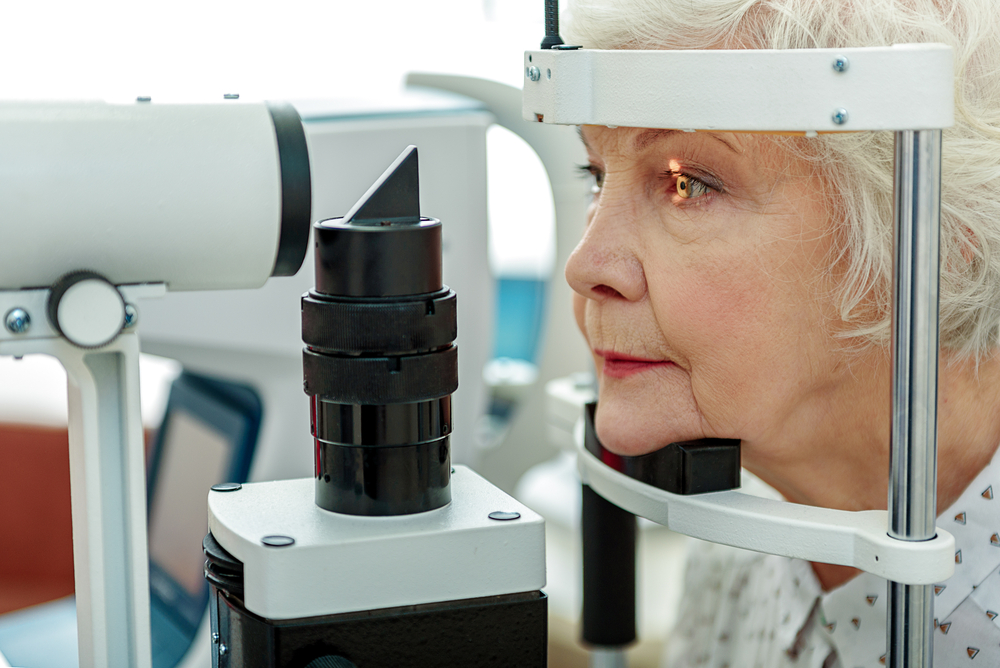
ARMD becomes more common as you age. If you smoke or who have a family history of macular degeneration you are more likely to develop the disease. Early stages of ARMD may often have no symptoms. It is very important that you maintain regular dilated eye examinations as you age. ARMD can only be properly diagnosed with a dilated eye examination.
As board certified ophthalmologists and eye doctors at the Eye Surgery Institute can determine if the macular degeneration is the dry form or the wet form. The treatment plan is formulated based on the type of macular degeneration that is diagnosed. Regular dilated eye examinations as well as imaging of the macula with an OCT are indicated to assess for changes.
Treatment for Age-Related Macular Degeneration
Sometimes, we recommend special vitamins based on the Age-Related Eye Disease Study, or AREDS, to help slow the progression of the disease. We may also recommend monitoring your vision at home with an Amsler grid. If you notice any changes, return to the office as soon as possible.
Wet ARMD can often be treated with medication injections into the eye. These injections may help maintain your vision and, in some cases, improve it.
ARMD does not cause total blindness because it does not affect your peripheral vision. It may have no symptoms in the early stages, but it can affect your central vision as the disease progresses. This can make reading or driving difficult. Regular eye exams are recommended to detect macular degeneration early and reduce the risk of permanent vision loss.